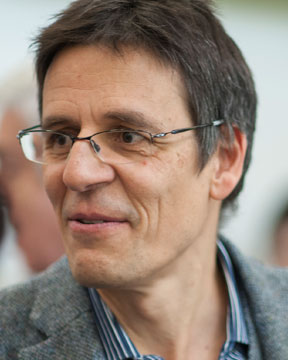

In Honor and Memory of Nobel Laureate Dr. Rudy Marcus
(Passed away on July 16, 2026)
(To Be Updated)
(Passed away on July 16, 2026)
(To Be Updated)



Long-distance iron ore slurry pipelines have been widely used for decades as an efficient bulk transportation solution. However, friction between solid particles and the pipe wall leads to material loss due to slurry abrasivity, directly impacting maintenance requirements, operational reliability, and asset lifecycle. Slurry characteristics such as chemical content, solids concentration, particle size distribution, particle shape, specific gravity, and hardness are known to influence wear behavior.
This study evaluates the effect of silica content variations in iron ore slurries on abrasivity, with the objective of supporting more efficient and sustainable pipeline design and operation. Laboratory tests were conducted using the Miller machine, in accordance with ASTM G75, to assess wear rates under controlled conditions.
Slurry samples were prepared with varying silica contents and tested using both the standard reference block (Miller Number) and a block manufactured from API 5L X70 pipeline steel representative of slurry transport systems (SAR Number). The experimental results demonstrate a strong correlation between silica content and material wear: a 50% increase in silica content resulted in an approximately 20% increase in wear rate.
This research highlight the importance of characterizing mineralogical variability in slurry systems, as changes in ore composition can significantly reduce pipeline service life. From a sustainability perspective, improved understanding of slurry abrasivity contributes to extended asset lifespan, reduced material consumption, and optimized maintenance strategies, supporting more efficient and environmentally responsible long-distance slurry transport systems.
References:The steel industry chain, from mining to the final product, is one of the pillars of global economic development; however, it is characterized by the generation of significant volumes of by-products throughout the entire production cycle. Historically treated as environmental liabilities and destined for landfills, materials such as mining overburden/waste rock, blast furnace slag, steelmaking slag, and desulfurization powder have been undergoing a paradigmatic reevaluation driven by the concepts of circular economy and industrial symbiosis [1]. In the agricultural sector, the utilization of these materials as inputs (remineralizers, soil conditioners, and soil acidity correctives) emerges as a sustainable alternative for neutralizing acidity and supplying nutrients, reducing reliance on natural and imported raw materials, while mitigating environmental impacts [2]. This paper aims to present the application potential and the agronomic and regulatory validation pathway for mining and steelmaking by-products for agricultural purposes. The main objective is to detail the characterization process, agronomic efficiency testing, and regulatory compliance required for certifying these materials as safe and commercial agricultural inputs [3]. The methodology was based on an integrated approach divided into three main stages: first, the physical-chemical and mineralogical characterization of the by-products was carried out using X-ray fluorescence (XRF), X-ray diffraction (XRD), and leaching and solubilization assays to ensure the environmental safety of the material [4]. Next, experimental agronomic trials were conducted in a greenhouse officially certified and accredited by the Ministry of Agriculture and Livestock (MAPA), evaluating parameters such as root development, foliar nutrient uptake, phytotoxicity, and soil neutralization capacity in test crops [5]. Finally, regulatory adaptation was performed in strict compliance with the current Normative Instructions (INs) of MAPA for the commercial registration of agricultural inputs [5]. The results obtained in the greenhouse trials confirmed the efficiency of steelmaking by-products in improving soil chemical properties and stimulating plant growth, without exhibiting phytotoxic effects. Full compliance with MAPA Normative Instructions ensures environmental inocuity and sanitary safety of the inputs, enabling official registration [5]. It is concluded that MAPA's regulatory endorsement, supported by testing in accredited facilities, is the fundamental guarantee for transforming industrial liabilities into high-value-added commercial agricultural products, consolidating sustainable symbiosis between the steel and agricultural sectors [1, 5].
References:Mining is a vital industrial sector, but it generates significant amounts of residues, primarily waste and tailings, which must be safely and sustainably managed. Waste is typically disposed of in large piles that require geotechnical stability and environmental sustainability to mitigate impacts. Bioengineering is a sustainable technique that employs live materials, such as vegetation, to increase soil resistance, retain mass movement, and control erosion. Vetiver grass (Chrysopogon zizanioides) is widely recognized for its notable physicochemical properties, such as resistance to heavy metals and extreme pH, and its extensive use in erosion control; however, studies regarding its application specifically in iron ore mining environments remain scarce.
The main objective of this study was to analyze the development of Vetiver grass on an experimental waste pile (PDEx) constructed to simulate the characteristics and unconstrained conditions of a real iron ore waste pile at a mine located in Minas Gerais, Brazil. Specific goals included determining the influence of terrain slope on plant development, evaluating the necessity of chemical fertilization (NPK), and identifying any observable growth coefficient over time.
To achieve these objectives, Vetiver was planted in four distinct sections on the experimental waste pile with a 50 cm spacing between samples. The experimental design included two groups planted with the addition of NPK (formulation 4-14-8) and two groups planted without fertilization. Within these groups, specimens were planted both on the slope and on the top (berm) of the pile. After 20 months, the experiment was dismantled; the aerial parts were cut and measured, and the roots from the non-fertilized slope section were individually extracted for mass and volume analysis in the laboratory. The collected data were statistically evaluated using Student's t-test.
The results demonstrated that the Vetiver grass samples treated with NPK fertilization developed significantly better across all analyzed variables compared to those planted in virgin soil. Furthermore, statistical analysis indicated no significant influence of the terrain slope on the development of the NPK-treated grass. Conversely, for the samples planted without NPK, statistically relevant differences were observed between the groups located on different inclinations, with the berm favoring culm diameter and the slope favoring aerial height. A stable growth coefficient could not be determined for the analyzed period due to data collection interruptions. This study confirms that Vetiver grass is a viable and sustainable alternative for soil stabilization and recovering degraded areas in iron ore mining.
References:The concept of urban mining first emerged in the year 1969, by Jane Jacobs, in her book, The Economy of Cities, she mentioned that the cities of the future "will become huge, rich and diverse mines of raw materials. These mines will differ from any others found today in that they will become richer the longer they are explored; new deposits, previously neglected, will be continually discovered." [1] In the year 1988, Professor Hideo Nanjo of the Research Institute of Mineral Dressing and Metallurgy at Tohoku University introduced the definition of urban mining related to information technologies and ecological innovation, as “areas of industrial products concentrated on the surface”, highlighting in particular the high quantity and quality of rare metals it contained compared to primary resources. Professor Nanjo pointed out the fact, now evident, that industrial products had an abundance of metals that often exceeded the levels found in raw ores. Furthermore, the amount of metal resources already extracted has exceeded known reserves. [2] According to [3] the first cause and effect diagram was constructed by Kaoru Ishikawa, from the University of Tokyo, in 1953, which is why it is called the Ishikawa diagram. It is also known as a “fishbone diagram”, due to its graphic representation that resembles a fish skeleton. The present work aimed to use the Ishikawa diagram quality management tools to map problems and failures, find solutions, and improve the understanding of processes. Next, a survey was carried out using the 5W2H methodology based on an action plan to reduce and optimize the problems of urban mining commonly cited in studies and research on the subject. A common example is the study on WEEE (Waste Electrical and Electronic Equipment).
References:High-manganese austenitic Hadfield steels are widely utilized in heavy-duty mining and mineral processing equipment due to their exceptional work-hardening capacity and wear resistance.
However, their industrial manufacturing via casting faces severe challenges, including the formation of coarse dendritic grains, macrosegregation and a high susceptibility to hot tearing and brittle carbide precipitation at grain boundaries.
This study presents a comprehensive methodology to achieve significant grain refinement in Hadfield steels by integrating chemical inoculation, optimized solidification parameters and computational thermodynamic modeling.
Micro-alloying additions of Rare Earth Elements (REE) were introduced into the melt to act as heterogeneous nucleating agents and grain boundary pinners.
The solidification cooling rates and thermal history were systematically varied using distinct mold designs and pouring temperatures.
Additionally, Thermo-Calc simulations were executed to predict phase transformations, liquidus-solidus intervals, and the kinetics of carbide precipitation.
Microstructural characterization via optical microscopy and Electronic Scanning Microscope (SEM) revealed a successful transition from coarse zones to a fully refined, equiaxed austenitic grain matrix.
The average grain size was reduced by over 30%, while the connectivity of brittle chromium and manganese carbide networks was effectively suppressed.
The refined microstructure resulted in an increase in abrasion resistance and significantly improved impact toughness in the as-cast and solution-treated states.
From a sustainability perspective, this integrated refinement strategy drastically minimizes casting defects, reducing foundry scrap rates and energy consumption.
Furthermore, enhancing the component's structural integrity directly extends the operational lifespan of wear-resistant parts in critical mineral processing applications, aligning with circular economy principles.
This work addresses the development and optimization of Hadfield steel (Fe-Mn-C) as a material widely consolidated in the mining industry due to its exceptional work hardening and impact resistance.
Historically, Hadfield steel has been the preferred choice for crushing and grinding components.
However, its resistance to abrasive wear under low-stress conditions or without severe impact remains a limiting factor for operational life.
The state-of-the-art of the manufacturing involves complex steelmaking, molding and solution heat treatment processes, where the control of the austenitic grain size emerges as a critical factor for final mechanical performance.
The central proposal of the study lies in the controlled introduction of rare earths critical alloy, specifically Lanthanum(La) and Cerium (Ce), via Mischmetal, to act as heterogeneous nucleation agents during solidification.
The fundamental hypothesis that the formation of rare earth oxides with lattice mismatch promotes significant refinement of the austenitic grain, increasing hardness and abrasive wear resistance without compromising the intrinsic toughness of the FCC matrix.
The study includes detailed microstructural characterization, mechanical and wear tests to validate if the effectiveness of the inoculation via rare earth critical elements can be considered as a viable industrial route promoting sustainability and more technology for this process.
References:The growing demand for more sustainable mining practices has driven the development of solutions that integrate geotechnical safety, circular economy principles, and energy transition strategies. In this context, tailings dam ‘decharacterization’, as defined by Brazilian Law, represents not only a regulatory requirement but also an opportunity for material reuse and the creation of new productive uses for areas previously dedicated to waste disposal [1]. This paper presents a case study from Samarco, a Brazilian iron ore mining operation, in which filtered tailings were utilized as engineering materials for the decommissioning of Germano Cave, Germano Dam and Eixo 1 Dam, combining land reclamation with the future deployment of renewable energy infrastructure. The proposed approach is aligned with emerging concepts of circular mining, in which mine wastes are reintroduced into productive cycles, and reclaimed mine lands are repurposed to support renewable energy infrastructure and long-term regional development [2,3].
The adopted solution involved the beneficial reuse of approximately 9.4 million tonnes of filtered tailings generated by Samarco during mineral processing, just on 2025 [4]. From 2020 to 2025, approximately 22 million tons of sandy tailings were used, equivalent to 61% of all tailings generated during that period. These materials were subjected to comprehensive geotechnical and geomechanical characterization programs, including assessments of shear strength, compressibility, permeability, and hydraulic behavior, to verify their suitability for earthworks construction and landform reconstruction. Both the management of operations and the decommissioning projects were 100% compliant with the international safety standards of GISTM [5].
The integrated use of filtered tailings enabled landform reconstruction and the permanent elimination of the dam's containment function, providing a more environmentally sustainable solution compared with conventional disposal practices. In addition to meeting safety and stability requirements, the adopted strategy facilitated the beneficial reuse of approximately 89% of filtered tailing generated on 2025, by Samarco, that would otherwise have been permanently stored in disposal facilities. This approach reduced the demand for new storage areas while advancing the application of circular economy principles within the mining industry.
As a subsequent phase of the reclamation program, a conceptual design was developed for the installation of a photovoltaic solar power plant on the recontoured surface. The project envisions the use of approximately 270 ha of reclaimed land and an installed generation capacity of 92 MWp, taking advantage of the region’s high solar irradiation potential. This initiative transforms an area previously associated with an environmental liability into na opportunity for renewable energy generation, contributing to energy diversification and reducing the carbon footprint of mining operations.
The results demonstrate that tailings dam ‘decharacterization’ can extend beyond regulatory compliance and become a key driver of sustainability in the mining sector. The integration of tailings reuse, mine land reclamation, and renewable energy infrastructure development represents an innovative approach capable of generating environmental, social, and economic value during mine closure. This case study highlights the potential of the mining industry to transform liabilities into assets by simultaneously promoting geotechnical safety, material circularity, and energy transition within a unified sustainable development strategy.
References:The increasing complexity of industrial projects in the mining and metals sector has intensified the challenges associated with commissioning management and operational readiness. Engineering deliverables, construction records, inspection protocols, punch lists, asset information and project documentation are often distributed across multiple systems and organizational silos, limiting visibility, reducing traceability and increasing the risk of delays during project handover and startup activities.
Traditional commissioning processes frequently rely on manual data consolidation and fragmented reporting mechanisms, making it difficult to assess the actual readiness of systems and subsystems. These limitations often result in rework, duplicated inspections, inefficient resource allocation and delayed decision-making, ultimately impacting both project performance and sustainability objectives.
This paper presents a data-centric commissioning management framework that integrates assets, systems, digital forms, issue management workflows and artificial intelligence within a Common Data Environment (CDE). The proposed methodology establishes digital relationships between physical assets, commissioning systems, inspection records, non-conformities, completion protocols and engineering documentation, creating a unified source of truth throughout the project lifecycle.
The framework leverages automated data extraction, centralized data storage and relationship-based information modeling to consolidate commissioning evidence across multiple project disciplines. Building upon this digital foundation, artificial intelligence techniques are applied to evaluate commissioning readiness, identify incomplete deliverables, detect potential risks and support proactive decision-making at system and subsystem levels.
A case study based on a large-scale industrial project is presented to demonstrate the practical implementation of the framework and its ability to improve information accessibility, traceability and collaboration among engineering, construction and commissioning teams. The results indicate significant potential for reducing manual effort, minimizing rework, improving schedule predictability and enhancing overall project governance.
From a sustainability perspective, the proposed approach contributes to more efficient use of resources by reducing redundant field activities, decreasing reliance on paper-based processes, minimizing information loss during project transitions and supporting data-driven decision-making. The integration of artificial intelligence further enhances the ability to transform large volumes of project data into actionable insights, enabling a more efficient and sustainable commissioning process.
The study demonstrates how the convergence of digital asset management, integrated project data environments and AI-assisted analytics can support the next generation of commissioning practices for industrial facilities, providing a scalable framework for improving operational readiness and sustainable project delivery in the mining and metals industry.
References:The energy transition, the electrification of mobility and the deployment of digital infrastructures share a hidden dependency: an unprecedented surge in demand for minerals and metals. The International Energy Agency projects that meeting climate goals will require a four- to sixfold increase in critical mineral supply by 2040, mobilizing trillions of dollars of new mining investment. Yet society's tolerance for the externalities of mining — vibrations affecting communities and sensitive geotechnical structures, dust, water and land degradation, ore-body sterilization through poor extraction — has never been lower. This paradox places the mining industry at the very center of the sustainability debate and demands that the first physical act of every mining operation, the blast itself, be radically rethought. Around this imperative crystallizes a new operational philosophy: de-risking blasting — anchoring every shot decision in science, field data and predictive analytics, in continuity with the founding conviction of Claude-Henri Gorceix that mineral extraction must be governed by science rather than empirical custom.
This contribution presents de-risking as the unifying lever connecting the three FLOGEN sustainability pillars.
On the Science, Technology and Industry pillar, Blast Digital Twins now integrate forty-plus parameters — geology, drilling deviation, explosive properties, initiation sequencing, free-face geometry, seismic recordings — into a full 4D voxel-based simulation of the detonation event. Beyond the static prediction of fragmentation, this technology resolves the dynamic behavior of the rock mass: realistic muckpile movement, ore dilution and ore loss at the ore/waste boundary, three-dimensional propagation of vibrations through the rock mass over time, and, in underground operations, wall-damage assessment under confinement. Two complementary methodologies anchor the prediction of induced vibrations on sensitive structures: the signature-hole method, which captures the seismic signature of a single isolated charge to reconstruct, by linear superposition, the synthetic vibration trace of a full blast pattern; and the scaled-distance law calibrated through systematic seismograph monitoring. AI-based fragmentation measurement closes the predict-measure-learn loop and turns each blast into a calibration data point for the next. This holistic approach delivers documented gains of 90% accuracy on fragmentation prediction and up to 75% reduction in induced vibrations.
A large-scale industrial deployment in the Southern Iron Ore Corridor of Brazil illustrates the maturity of this approach: more than 450 controlled production blasts executed in close proximity to dams, natural cavities and other critical structures, with vibration thresholds (< 1 mm/s for dams, 5–15 mm/s for protected cavities) respected on every single shot, while iron-ore production from the four reactivated mines rose from 33 to 48 Mt/year. Beyond this case, the same de-risking logic applies to the stability of waste-rock dumps, to deep underground operations confronting increasingly hostile stress regimes as ore grades decline, and to the preservation of ore-body integrity that conditions downstream comminution energy — itself the largest single electricity consumer of the entire mineral processing chain.
On the Governance and Management pillar, predictive blasting transforms the relationship between technical operators and decision-makers. When blast outcomes become traceable, simulable and auditable shot by shot, blasting ceases to be a black-box variable and becomes a strategic lever in the boardroom. This shift de-risks capital allocation in an industry facing unprecedented investment cycles, anchors ESG and CSRD reporting in measurable evidence, and provides regulators and independent auditors with the verifiable data they now demand.
On the Education and Civil Society pillar, the predictive shift requires a profound renewal of mining curricula and field training, around new competencies at the intersection of rock mechanics, data science and AI literacy. It also offers a tangible pathway to de-risk the social license to operate: simulation-based, transparent communication with host communities turns blasting from a feared opacity into a documented, predictable engineering act.
Read in continuity with the legacy of Gorceix and the 150th anniversary of the School of Mines of Ouro Preto, the predictive de-risking of blasting emerges as the natural extension of a long scientific lineage — one in which the first meter of rock breakage finally joins the disciplines that science has illuminated, becoming itself a condition of sustainable mineral supply for the century ahead.
References:Iron ore beneficiation has increasingly relied on the wet flotation route, mainly due to the depletion of higher-grade reserves, to meet the quality required for concentrates by the processing sector, notably high iron content and low silica and alumina, which are requirements for decarbonization goals and the production of so-called green steel.
Regularly, mining companies receive raw corn and cassava starches, in the form of grits or flour, and gelatinize them in their plants with an alkaline sodium hydroxide solution to make them soluble and able to bind to iron particles.
Here we discuss the development and application of new iron depressant agents for the reverse flotation process, manufactured from corn and cassava starch sources, by HTS Brasil with technical support from the Gorceix Foundation. The new depressants, manufactured using HTS's exclusive production process, modify the starch sources in such a way that they do not require, or significantly reduce, the consumption of alkali in the preparation. Their use reduces the viscosity of the pulp and, as a consequence of this, as we will see, in addition to reducing alkali consumption, also reduces the amount of collector being used.
The quality of the concentrate and the mass and metallic recovery rates are equal to,or in most cases better than, those observed with the use of conventional starches.
The continuous casting of peritectic steels is a critical process in steelmaking, frequently compromised by a high incidence of surface cracks originating from severe volumetric contraction during the delta-to-austenite phase transformation within critical carbon and temperature ranges [1, 2]. Currently, commercially available solutions in the Brazilian domestic market predominantly rely on in natura mineral blends, which cause batch-to-batch chemical variations, hinder controlled slag crystallization, and contain free crystalline silica—a recognized occupational hazard for silicosis. Consequently, the sector remains dependent on imported synthetic formulations. This work aims to develop and validate a domestic solution for this niche: a granulated mold powder produced via wet synthesis, using synthetic wollastonite (CaSiO3) as its primary matrix. The core objective is to induce the precipitation of the cuspidine phase in the mold, enabling mild cooling and mitigating thermal gradients responsible for cracking [3]. The methodology relies on the Stage-Gate framework, advancing from TRL 3 to TRL 6. The stages include thermodynamic modeling to adjust binary basicity (CaO/SiO2 ratio between 1.15 and 1.30); rheological stabilization of the slurry (65% solids content) in a dedicated Mobile Unit; industrial spray-drying for the formation of hollow microspheres (D50 between 200 and 350 µm); and advanced thermal characterization (XRD, XRF, and high-temperature viscometry at 1300°C). Performance will be consolidated through experimental trials in an industrial environment (single-strand) with rigorous thermocouple monitoring. Expected results validate the substitution of in natura mineral blends with the localized synthetic matrix, ensuring thermal stability, a break temperature above 1150°C, and adequate dynamic viscosity for mold lubrication. It is concluded that the technology not only meets the stringent metallurgical criteria for high value-added steel grades, but also promotes strategic import substitution and enhances occupational health and safety in steel plants by eliminating free silica from the process. Furthermore, the development of MVP-01 establishes the Technology Readiness Level (TRL) required for Phase 2 of the Technological Roadmap, in which the matrix will be doped with nano-nucleants and advanced nanomaterials with technological support from Nanoboost, targeting a fluorine-free formulation with high ESG appeal.
References:Mining activities generate large volumes of materials from extraction operations, including waste rock, mine tailings, and soils. Although many of these materials have potential for application in geotechnical works, their use is often limited by their physical and mechanical characteristics, such as low bearing capacity, reduced cohesion, excessive deformability, and high susceptibility to dust generation [3,4]. In this context, developing solutions that simultaneously promote the beneficial reuse of these materials and improve their geotechnical performance represents an important contribution to the sustainability of mining operations [4,5].
This study presents a methodology for the reuse of materials obtained from different mining sites through the incorporation of chemical dust suppressants selected according to their chemical compatibility with the material [2,5]. The stabilization process is based on compaction theory, whereby the suppressant is mixed with water to achieve the optimum moisture content, allowing the product to function not only as a dust control agent but also as a stabilizing additive capable of modifying the mechanical behavior of the material [1,2]. The proposed approach is based on selecting both the type and dosage of the suppressant according to the geotechnical, chemical, and mineralogical characteristics of each material, aiming to maximize mechanical performance and the feasibility of application in mine haul road systems [2,5].
Representative samples of different materials used in mine haul roads, including waste rock, mine tailings, and soils with distinct geotechnical characteristics, were initially collected. The samples underwent comprehensive physical, geotechnical, chemical, and mineralogical characterization, encompassing sieve and sedimentation grain-size analyses, specific gravity of soil solids, Atterberg limits, geotechnical classification, compaction, and California Bearing Ratio (CBR) tests [1], alongside chemical and mineralogical analyses to understand the influence of material properties on their interaction with the suppressants [2,5].
Subsequently, laboratory-scale tests were conducted using different polymer concentrations to evaluate workability, particle bonding, agglomeration, cohesion, structural integrity, and surface behavior of the treated mixtures. The dosage selection was based on a comparison between technical performance and product consumption, aiming to identify the concentration providing the highest stabilization efficiency with the best cost-effectiveness [2]. The selected mixtures were then subjected to compaction and California Bearing Ratio (CBR) tests [1].
The results demonstrate that no universal stabilizing additive exists, as the effectiveness of each product depends on the compatibility between the geotechnical, chemical, and mineralogical characteristics of the material and the selected dust suppressant [2,5]. Some materials exhibited significantly improved performance, including substantial gains in cohesion, enhanced particle agglomeration, the formation of a more homogeneous structure, and increased mechanical strength observed during the laboratory tests. Conversely, other materials exhibited less favorable behavior, indicating that stabilizer efficiency depends not only on the additive concentration but primarily on the compatibility between the polymer and the intrinsic properties of the material [2,5].
The findings indicate that the incorporation of chemical dust suppressants represents a technically viable alternative for stabilizing mining-derived materials, enabling their reuse in mine haul road systems while reducing the demand for borrow materials, increasing the stability of granular layers, and simultaneously mitigating dust emissions, reducing mud formation during rainfall, decreasing water consumption, and lowering maintenance costs [3,4]. The proposed methodology demonstrates that both the selection of the stabilizing additive and its dosage should be based on the geotechnical, chemical, and mineralogical characterization of the materials [1,2], allowing the identification of site-specific solutions for each application. Consequently, this study contributes to the advancement of circular economy strategies and sustainable mining practices by promoting material reuse, optimizing natural resource consumption, and improving the operational performance of mine haul road systems [4,5].
References:This study investigates the technical feasibility of recovering iron from mining tailings through a combined route of gravity concentration and medium-intensity magnetic separation. The tailings, originating from iron ore beneficiation, were initially characterized in terms of particle size distribution and chemical composition. The processing route consisted of concentration using a Humphrey spiral, followed by magnetic separation to enhance metal recovery and reduce iron content in the final residue.
The results demonstrated that the integrated process was effective in promoting mineral upgrading. The initial tailings, with an iron content of 8.89 wt.%, were processed to obtain a final residue with 1.09 wt.% Fe and a magnetic concentrate reaching 28.75 wt.% Fe. These results indicate significant recovery of iron-bearing phases and a substantial reduction of metallic content in the discarded material.
The study confirms that the combination of gravity and magnetic separation represents a technically consistent and efficient approach for reprocessing mining tailings. In addition to improving resource utilization, the process contributes to the reduction of environmental liabilities associated with tailings disposal, aligning with principles of sustainable mining and circular economy.
References:This study evaluates the feasibility of using iron ore mining tailings as a partial and total replacement for natural aggregates in the production of interlocking concrete blocks. The tailings were incorporated into different concrete mixtures and processed through vibropressing, following industrial practices. The mechanical performance of the produced blocks was assessed through compressive strength tests at curing ages of 7, 28, and 65 days, in accordance with ABNT NBR 9781 standards.
The results indicate that the incorporation of tailings influences the mechanical behavior of the concrete, with a progressive increase in compressive strength over curing time. However, the average compressive strength values obtained remained below the minimum requirement of 35 MPa specified by the standard for commercial application. These findings suggest that, although technically feasible, the use of tailings requires optimization of mixture design and compaction parameters to achieve adequate performance.
The study demonstrates the potential of mining tailings as an alternative raw material in the construction industry, contributing to the reduction of natural aggregate consumption and environmental impacts. Despite current limitations, the approach represents a promising pathway toward sustainable material development and circular economy practices in mining and construction sectors.
References:Mining capital projects are inherently complex, involving multiple stakeholders, large volumes of data, and interdependent processes such as scheduling, procurement, contract management, and asset management. One of the main challenges in these projects is the fragmentation of information, which often leads to inefficiencies, delays, and suboptimal decision-making.
This study presents a case-based approach for the implementation of a Common Data Environment (CDE) using Autodesk Forma as a centralized platform to integrate key project information across disciplines. The proposed framework enables improved data consistency, transparency, and collaboration among project teams, supporting more reliable planning and execution. In addition, the work explores the initial integration of Artificial Intelligence (AI) tools within this digital ecosystem, aiming to enhance data analysis, automate workflows, and support predictive decision-making. Although still in early stages, the incorporation of AI demonstrates significant potential for identifying patterns, reducing uncertainties, and optimizing resource allocation.
The results highlight how the combination of integrated data environments and AI can contribute to improved project performance by reducing rework, increasing efficiency, and supporting more sustainable industrial practices. The study also contributes to the advancement of digital transformation in the mining sector, offering practical insights into the application of emerging technologies to enhance the sustainability and effectiveness of industrial project planning and execution.
References:Transporting mineral slurry through pipelines is a widely adopted method in mining and mineral processing industries due to its efficiency and potential for significant energy savings, economy and sustainability. The mining industry is a complex and demanding sector that relies heavily on efficient and cost-effective methods for transporting materials. One such method is the use of pipelines for slurry transport. Slurry pipelines have become an integral part of mining operations, providing a reliable means to move mineral concentrates and tailings over long distances with energy and materials savings. Slurry flowing through pipelines offer an economic advantage over road and railway transport and much less noise disturbance to the environment, particularly when mines are in extremely remote areas. Brazil operates some of the largest slurry pipelines in the world making these summarized studies showed here highly relevant for industrial reliability and maintenance planning [1,2]. The pipeline operation and its wear is strongly influenced by slurry velocity, particle size, and pumping duration. Landmark studies on erosion, corrosion, abrasion and hydraulic transport of iron ore slurries, often in collaboration with industry, have been produced [3,4]. They combine academic rigor with industrial application, ensuring results not just theoretical but tested in real-world pipelines. These works inform maintenance strategies, materials selection, pump and pipelines design improvements.
Abrasiveness of the particles in slurry in relation to the pipeline is well evaluated and indexed by specific experiments [5]. These tests also allow design modifications protective coatings and alloyselection for pipeline longevity. Due to the fact that Brazil has the world`s largest network of slurry pipelines these findings become highly relevant for both national and international mining operations.
References:The transition toward low-carbon steelmaking is increasing the demand for high-quality iron-bearing raw materials with low impurity levels and reduced environmental footprints. At the same time, iron ore beneficiation generates large volumes of tailings containing residual iron-bearing minerals that represent both environmental liabilities and potential secondary mineral resources. In this context, the recovery of iron from previously discarded materials can contribute to resource efficiency, circular economy strategies, reduction of tailings storage requirements, and diversification of raw material sources for future green steel supply chains. This study investigates an integrated thermo-magnetic valorization route for ultrafine iron ore tailings from the Quadrilátero Ferrífero, Brazil, combining particle size classification, thermal treatment, mineralogical and chemical characterization, and magnetic response evaluation.
Tailings from two different industrial sources were investigated to assess the influence of initial mineralogical composition and particle size distribution on the effectiveness of the proposed processing route. The samples were classified by centrifugal elutriation into five particle size ranges: >32 μm, 32–20 μm, 20–15 μm, 15–7 μm, and 7–4 μm. The resulting fractions were characterized by optical microscopy, X-ray diffraction (XRD), energy-dispersive X-ray fluorescence (EDXRF), and thermogravimetric analysis (TGA). Based on the thermal behavior of the samples, the classified fractions were subjected to heat treatment at 850 °C in an air atmosphere, with an isothermal holding time of 20 min. Subsequently, the treated samples were characterized to evaluate chemical and mineralogical transformations. The influence of thermal treatment and particle size on magnetic behavior was assessed using a Specific Magnetic Response Index (SMRI), developed as a comparative dimensionless parameter under controlled experimental magnetic field conditions.
The results demonstrated significant differences in the initial particle size distribution and mineralogical composition of the two tailings. Hematite and quartz were the predominant phases, while goethite, martite, gibbsite, kaolinite, and talc occurred in different proportions depending on the sample and particle size fraction. Particle size classification promoted progressive enrichment of iron-bearing minerals in the finer fractions. In one sample, hematite content exceeded 90% in fractions below 15 μm and reached approximately 96% in the 7–4 μm fraction. The second sample, initially richer in goethite and siliceous gangue, also exhibited progressive iron enrichment with decreasing particle size.
Thermogravimetric results showed that the ultrafine fractions exhibited the most significant thermal transformations, particularly in the sample containing higher amounts of goethite. Heat treatment promoted the dehydroxylation of goethite, decomposition of hydrated phases, elimination of structural water, and stabilization of hematite. After thermal treatment, EDXRF analysis revealed Fe₂O₃ contents of up to approximately 96.9 wt.% in Sample A and 94.9 wt.% in Sample B, accompanied by a substantial decrease in SiO₂ content to approximately 2.2 wt.% and 4.4 wt.%, respectively, in the 7–4 μm fraction. These results demonstrate the combined contribution of particle size classification and thermal transformation to the production of iron-rich secondary materials.
A marked increase in magnetic response was observed after heat treatment. The SMRI increased across all particle size fractions, with the most pronounced effects occurring in the finer fractions and in the initially goethite-rich sample. Depending on particle size, the magnetic response of this material increased approximately 7 to 18 times after thermal treatment. The results indicate that the transformation of hydrated iron-bearing phases into more stable iron oxides, together with increased iron concentration and changes in crystalline structure, significantly enhances interaction with the applied magnetic field. This behavior suggests that thermal treatment may also improve the efficiency of subsequent magnetic concentration stages.
The integrated results demonstrate that iron ore tailings should not be considered solely as waste materials but as heterogeneous secondary mineral resources whose recovery potential depends on particle size, mineralogical composition, and thermal behavior. The proposed route provides a technological basis for recovering iron units from ultrafine tailings while reducing siliceous gangue and enhancing magnetic response. The valorization of these materials may contribute to reducing tailings disposal, improving mineral resource efficiency, and supplying secondary iron-bearing feedstocks for agglomeration and low-carbon steelmaking processes. Therefore, the combination of particle size classification and thermo-magnetic processing represents a promising pathway for integrating mining waste valorization, circular economy principles, and green steel production.
References:The use of steel slag aggregates in railway infrastructure has been consolidated as an alternative for utilizing industrial by-products and reducing the demand for natural aggregates [3,4]. However, its application as a ballast material depends on demonstrating chemical stability, mechanical performance, and structural behavior compatible with the high stresses imposed by railway operations [1,2]. In this context, Ecolastro, an aggregate produced from steel slag and subjected to a chemical stabilization process involving curing and moistening, was developed for permanent way applications and deployed in an experimental section of a heavy-haul railway.
The production process of Ecolastro comprises the processing of steelmaking slag followed by chemical stabilization aimed at hydrating potentially expansive oxides present in the material [5]. This stage is essential to reduce the volumetric expansion potential characteristic of this type of aggregate and to ensure volumetric stability prior to field application [5]. As part of the chemical characterization, the free lime concentration was determined—a parameter widely used to evaluate the degree of stabilization in steel slags [5]. The results indicated a free lime content below the adopted limit of 3% for railway applications [1,2], demonstrating that the stabilization process was effective and providing the material with suitable conditions for use as ballast aggregate. This condition was considered fundamental for proceeding with the laboratory characterization stages and the deployment of the experimental section.
In order to compare the results, the physical and mechanical characterization was performed on both Ecolastro and the conventional gneiss crushed stone aggregate currently used on the track. Tests were conducted in accordance with the procedures established by ABNT NBR 5564:2021 [1], performing mechanical strength tests for standard ballast. The selection of these tests aimed to evaluate properties directly related to the performance of the railway ballast [2].
The results obtained demonstrated satisfactory behavior of the steel slag aggregate across all evaluated parameters. In the abrasion, impact resistance, and point load tests, the material exhibited a performance significantly superior to conventional crushed stone and compatible with all normative requirements [1,2]. This indicates high resistance to wear and repetitive impacts resulting from wheel-rail contact—factors directly related to preserving particle integrity over the track service life [2]. Likewise, the results obtained from the point load test evidenced high resistance to particle crushing, indicating adequate bearing capacity against the stresses transmitted by the railway ties (sleepers) [1,2]. In all conducted tests, Ecolastro met the criteria established by ABNT NBR 5564:2021 [1] and displayed performance equivalent or superior to the conventional reference aggregate, indicating reduced susceptibility to fine generation and greater potential for maintaining the structural characteristics of the railway ballast during operation.
To verify whether the behavior observed in the laboratory would be sustained under real service conditions, the aggregate was applied in an experimental track section with an extension of 3.4 km, where it was monitored under the same operational conditions as the section constructed with conventional crushed stone. The monitoring encompassed evaluating the particle size distribution (gradational evolution) of the material over the operating period, allowing for the analysis of its resistance to degradation and fragmentation [2]. The monitoring results confirmed the performance predicted by laboratory tests, demonstrating particle size stability and reduced fine generation during the evaluated period. The agreement between laboratory and field observations reinforces the reliability of the characterization performed and proves that the chemical stabilization process was sufficient to ensure adequate aggregate behavior under real heavy-haul railway traffic conditions.
The set of conducted studies demonstrates that Ecolastro exhibits chemical stability, mechanical performance, and structural behavior compatible with its use as railway ballast material. Chemical characterization confirmed the effectiveness of the stabilization process [5], while laboratory tests evidenced compliance with the mandatory requirements established by ABNT NBR 5564:2021 [1] and AREMA recommendations [2]. The results obtained from the experimental track section corroborated the laboratory observations, indicating that the material maintains its characteristics during railway operation and presents technical performance compatible with the demands of heavy-haul railways [2]. These findings consolidate Ecolastro as a technically viable alternative for permanent way applications, combining structural performance, operational reliability, and the sustainable reuse of steelmaking industrial by-products [3,4].
References:Among the technogenik formations of the mining and processing industry, gold-containing flotation tailings from the enrichment of ore minerals are of great interest as a source of precious metals. Their storage causes great harm to the environment.
Wastewater from natural and artificial leaching enters groundwater and surface water, thereby contaminating the air basin and water bodies. Currently, their processing is not carried out due to the lack of effective technologies[1].
Therefore, the problem of findig environmentally and economically acceptable methods for processing "refractory" sulfide minerals is relevant.
This is especially true for Georgia, as the Madneuli Mining and Processing Plant alone has accumulated a huge amount of flotation waste, which contains tens of tons of gold and several hundred tons of silver, creating an environmentally hazardous situation.
Our previous studies on the processing of flotation tailings from the enrichment of ore minerals with low gold content showed that the methods of chlorination, electrochlorination and two-stage processing in an iodine-containing solution did not produce the desired results, since the degree of gold extraction from such ore minerals did not exceed 53%.The reason for the low degree of gold extraction during the leaching process is the incomplete opening of the sulfide layer covering the disseminated gold in the sulfide mineral, which is associated with the presence in the leached solution of such complex-forming ligands with gold as Cl-, I-, Br-, which are characterized by high standard oxidation-reduction potentials for systems of gold compounds in aqueous solutions (1.15v for chlorine, 0.96v for bromine, and 0.56v for iodine [2]). At such high Red/Ox potentials, leaching systems fail to completely destroy the mineral's sulfide layer enveloping disseminated gold.
It is known [3] that the standard potentials for sulfur oxidation reactions are:
S2-→S+2e E0=+0.006v
S22-→2S+2e E0=+0.476v,
Only at such Red/Ox potentials of the system during the processing of refractory gold-bearing sulfide ores and concentrates in suspension or ore pulp is it entirely possible for the following reactions to occur:
2 CuS + 4HCl - 4e-→2CuCl2+S2+4H+
FeS2+2HCl-2e- → FeCl2 +S2 +2H+,
and the destruction of the dense mechanical sulphide structure of the mineral and the release of gold embedded in it, suitable for subsequent processing.
The object of our research was flotation tailings from secondary enrichment of gold-bearing refractory sulfide ores and concentrates (quartzites, barite-polymetallic, chalcopyrite) of the Madneuli deposit (Georgia).
In order to increase gold recovery rates and simplify the technology for processing flotation tailings from ore mineral enrichment, research was conducted using the method of electrochemical extraction in an electrolyte based on alkali metal chlorides in the presence of a thiourea ligand [2], which forms a strong cationic complex with gold and helps reduce the Red/Ox potential of the chloride system from 0.8–1.5 V to 0.35–0.45 V.
According to [3], the standard potential of the reaction:
2CS(NH2)2→2CS(N2H3)+2H+ is E0=0.38v.
Therefore, it can be assumed that under the conditions of electrochemical leaching of refractory sulfide concentrates in the specified system in the presence of thiourea, electronegative metals will dissolve first, resulting in the destruction of the sulfide layer covering the disseminated gold, which, under the influence of free thiourea contained in the electrolyte, passes into solution in the form of a cationic complex of gold - Au(TiO)2]+ according to the reaction:
Au+2ThiO+Cl- → [Au(TiO)2]+Cl- + e-
Studies have shown that refractory sulphide concentrates obtained from gold-bearing tailings of secondary enrichment of sulphide concentrates can be effectively processed with high gold recovery (up to 87%) by the electrochemical method in an acidic electrolyte based on alkali metal chlorides in the presence of thiourea ligand as a selective complexing agent for precious metals.
Leaching occurs under the conditions of a “soft” oxidation process in a potentiostatic mode at Red/Ox potentials of the system of 0.4÷0.05v at room temperature without the release of molecular chlorine (in contrast to electrochlorination and environmental pollution.) The resulting cationic gold complex, unlike the positive anionic complex that is formed during electrochlorination, due to its positive charge migrates into the catholyte, discharging at the cathode with the formation of metallic gold.
References:Rare Earth elements (REE) are recognized for their increasing technological relevance across diverse sectors of modern industry [1]. Their applications range from advanced electronics, such as smartphones and computers, to renewable energy technologies, defence systems, electric vehicle, and superconducting materials [1], [2]. Nevertheless, the REE industry continues to face significant challenges, including uneven resource distribution, supply-demand imbalances, intensifying international competition, technological limitations, and environmental impacts associated with their production [1]. Owing to their strategic importance and relatively scarcity, the developments of efficient extraction and production for REE is necessary and has become a major focus of intensive research [1].
Solvent extraction is a widely employed technique for the separation of REE. In this process, the extractant forms selective complexes with rare earths, depending on the solution composition and acidity under which these elements are present [3], [4], [5]. This study investigates the solvent extraction of REE from a hydrochloric solution with a total REE concentration of 133.9 g L-1. The main objective is to identify the operating conditions that maximize extraction efficiency and the selectivity between light and heavy REE. DEHPA, P507, Cyanex 272 and Cyanex 572 were evaluated as extractants. Experiments were performed at pH values ranging from 1.0 to 3.5, with a contact time of 5 minutes and stirring speed of 350 min-1.
The results demonstrate that extraction efficiency and selectivity from hydrochloric solutions are strongly influenced by the extractant type, feed concentration and pH. P507 and Cyanex 572 showed superior performance, achieving separations factors (SF) greater than 1 under highly acidic conditions (pH 1 – 2).
References:The mining and steelmaking sectors annually generate significant volumes of industrial by-products and tailings in Brazil, with a particular concentration in the State of Minas Gerais (CARVALHO et al., 2022). Historically underutilized or disposed of in landfills and tailing dams, these liabilities represent a major socio-environmental challenge, whereas urban expansion demands construction materials with lower environmental impacts, creating an opportunity to apply circular economy and industrial symbiosis concepts to city infrastructure (SILVA; ALVES, 2023). In this context, aligning with the guidelines of the public call for circular economy innovation (FINEP, 2024), the objective of this work is to present the development and industrial validation of circular technological solutions aimed at sustainable social paving and the manufacture of cementitious artifacts with high mechanical strength ranging between 35 MPa and 50 MPa.
The proposal is grounded in the synergistic utilization of steelmaking by-products in the structural base of the components and mining tailings in the surface finishing layer (4 mm to 6 mm), integrated into automated machinery equipped with an intelligent "Double-Layer" system and an adaptive Human-Machine Interface (HMI). The methodology encompasses the physical-chemical, mineralogical, and environmental characterization of the waste materials (XRD, XRF, SEM, and leaching tests) and the optimization of cementitious mix proportions, validated through compressive strength, abrasion, durability, and interlaminar adhesion tests according to rigorous technical standards (ABNT, 2013; TRL 3 to TRL 5). Sequentially, full-scale prototyping was performed to calibrate the servo-assisted vibro-compaction and the adaptive HMI dosing algorithms, culminating in the operation of a semi-industrial pilot unit (TRL 6) and the deployment of the artifacts under real traffic conditions in an urban environment in Minas Gerais (TRL 7) to evaluate usability and community perception.
In conclusion, applying the Double-Layer system resolves the surface roughness limitation inherent to the coarse steel aggregate base by overlaying a thin top layer of mining tailings, providing a premium aesthetic finish with a significant reduction in cement and pigment consumption. This work validates the technical, environmental, and mechatronic feasibility of industrial symbiosis among the steel, mining, and construction sectors (SILVA; ALVES, 2023), consolidating a scalable technological platform with high ESG appeal for city decarbonization.
References:Determining the best strategy for Brazil, concerning rare-earths, is not an easy task.
In a talk given at CIEEMAT 2015 (Praia Brava, Angra dos Reis RJ) [1], it was concluded that Brazil should URGENTLY invest in: batteries, solar panels and LED lightbulbs [2].
Modern commercial recharchable batteries now consist in several types of Lithium-ion [3]: i) LiFePO4 [4], ii) Li-Ni-Co-Mn (NMC), iii) Li-Ni-Co-Al (NCA) and of sodium type [5] .
The old recharchable Ni-M-H battery [6] makes use of rare-earths, but it is considered obsolete by now. Thus negligible amount of rare-earths are employed in batteries.
Solar Pannels make use of high purity silicon [7] (no rare-earth is employed here)
However LED lightbulbs use some amount of rare earths.
Thus instead of a strategy of the type “Mining to magnet,” the strategy “Mining to LED lightbulbs” [8] also is possible. This can be very advantageous for Brazil, because the Brazilian reserves of Rare-Earths are significant [9,10,11].
References:The sustainability of tropical agriculture and its compatibility with productivity and economic efficiency are challenges for the field of agricultural economics, especially in the regions of Southern Bahia, given that cocoa cultivation (Theobroma cacao) is a relevant component of the local economy. In this regard, the use of agroforestry systems, traditionally known as cabrucas (where cocoa is cultivated under the shade of native trees), has been studied due to its potential to integrate agricultural production with the provision of ecosystem services, such as carbon sequestration and storage (ABOU RAJAB et al., 2016). Regarding cocoa systems with tree cover, these arrangements possess a relevant capacity to accumulate carbon, both in above-ground biomass and in stable fractions of soil organic carbon. According to Monroe et al. (2016), it was observed that cocoa agroforestry systems maintain high levels of soil organic carbon at different depths, comparable to natural forest systems. This indicates that the integration of tree components increases carbon retention capacity when compared to conventional pastures or monocultures. Regarding the variation in carbon storage capacity among different shade tree species, recent research on cocoa agroforests in the Amazon region shows that systems with certain tree species can capture more carbon per year. This carries implications for management policies and species selection aiming for greater carbon sequestration in coffee and cocoa production systems (SUÁREZ; CRUZ-CERÓN; ANDRADE, 2026). In addition to environmental aspects, the economic viability of integrating environmental services with cocoa production is also being studied through economic analyses that consider the costs and benefits of projects related to conservation and the carbon market. The study by Goñas et al. (2024) evaluated the economic profitability of implementing an environmental services project in fine-aroma cocoa agroforestry systems in Amazonas (Peru). The results showed that across 104.25 hectares of planting, the use of carbon storage practices resulted in positive financial indicators (high net present value (NPV), high economic internal rate of return (EIRR), and a good benefit/cost ratio). This indicates that initiatives related to payments for environmental services can diversify and increase farmers' income, even in scenarios of variation in cocoa production. This integration of environmental analyses with economic indicators is relevant since it allows for the evaluation of trade-offs and synergies between agricultural productivity, carbon sequestration, and the economic performance of cocoa crops. This approach can therefore be seen as a methodological advance compared to purely biophysical studies, as it links environmental and economic variables into a single analytical model, demonstrating that sustainable practices can be compatible with long-term economic efficiency. In the case of Southern Bahia, even though studies quantifying carbon stocks and characterizing the ecological attributes of cabrucas exist, there is a scarcity of applied studies connecting these environmental data to the economic determinants of cloned cocoa production, such as production costs, market prices, productivity per hectare, and technical efficiency measured by statistical methods. This scarcity hinders the formulation of more appropriate and specific recommendations for agricultural policies and incentive mechanisms that consider both climate mitigation and the financial viability of production systems in the region. Recent initiatives in Brazil, such as the creation of carbon protocols for family farming in Southern Bahia, show the importance of developing approaches to align environmental sustainability and socioeconomic impact in the countryside. These protocols seek to insert rural producers into the carbon market through sustainable practices, which could become an additional source of income, as well as an incentive to maintain agroforestry systems against pressures for conversion to conventional cultivation systems or degraded pastures. Considering the above, developing studies to link ecological and economic dimensions through statistical analysis techniques is of utmost importance to understand the relationship between carbon storage and the economic efficiency of cloned cocoa production in Southern Bahia. This can enable the generation of knowledge that can support both the implementation of public policies and management and investment decisions by rural producers and market agents.
References:The escalating demand for strategic minerals and critical metals to facilitate the global energy transition from carbon related energies to greener energies has not only put pressure on the mining and extractive industries to produce more raw materials from the already depleting global reserves but has also raised concerns on the overall sustainability of green energies in the future due to potential resource shortages. Research has estimated that, strategic metals like tantalum, gallium, silver and indium which are widely applied in producing digital devices may disappear in the next 20 to 50 years if measures are not put in place to ensure recyclability as only 8.6 % of these metals are recycled. The indispensable applications of critical and strategic metals, coupled with declining ore grades and uneven global distributions has made it a necessity for both academics and industrial experts to find more sustainable methods of extracting and utilizing the scarce resources. This includes the adoption of circular economy that ensures a closed loop of resource utilization to extract critical metals back to the production line at the end-of-life of products rather than the conventional linear model of extract, use and discard which demands fresh resources for new products. The continual mining of minerals for several decades have produced large volumes of tailings that have been left in tailings dams. Recent characterization studies and extraction experiments have reveal that these tailings still contain significant amounts of critical minerals which if reprocessed can help bridge the gap between demand and supply of these critical metals whiles eliminating the environmental hazards posed by tailings storage systems (TSFs). Also, the use of traditional extraction methods like acid leaching, solvent extraction and precipitation have been identified to present challenges such as the consumption of large volumes of reagents while leaving behind highly acidic effluents however, the incorporation of modern and efficient extraction techniques such as AI based sorting systems pulsed electric field extraction, ultrasonic assisted and microwave assisted leaching methods which have proven to increase metal recoveries to 96 % for cobalt and almost 100 % for lithium from spent LIBs while reducing energy wastage during metal extraction. The overall aim of achieving resource sustainability can be achieved if the modern sustainable and efficient mineral processing techniques are adopted.
References:Of the large number of byproducts in the form of dusts, sludges, flakes, slag, fines, and others generated in the iron and steel industry, we can distinguish those that can be recycled directly in a sintering plant from others that are more difficult to recycle due to their specific characteristics, such as excessive moisture, very fine or coarse particle size, and chemical elements that are harmful to the processes in which they are used. Recycling through the production of cold agglomerates by vibropressing offers the possibility to obtain a product that could be suitable for charging into steelmaking reactors. The design and selection of materials that would take part in the mixture to be compacted must be consistent with the strict specifications required for each process. This paper presents the vibropressing agglomeration methodology as a viable technique for obtaining briquettes that can be used as part of the charge in steelmaking reactors, increasing the reuse and recycling rate and reducing CO2 emissions, as the agglomeration process is carried out at temperatures below 45°C.
References: